
Locating, Inspecting, & Fault Finding Utilities Equipment for Electric, Gas, Water, Sewer, and Data

Utility locators accurately trace underground utilities such as pipes and cables, reducing risk and improving jobsite safety. We carry top brands and pair every purchase with free on-site training and 24/7 expert support to ensure confidence and precision in the field.
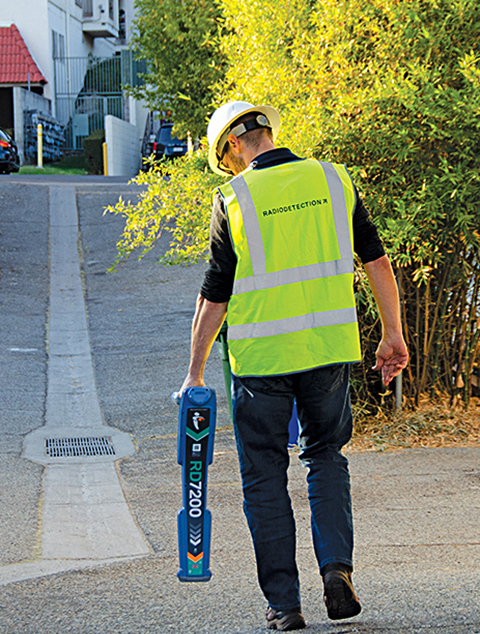
Radiodetection Line Locators
Radiodetection uses the most advanced technology in the industry to produce the best underground utility locator equipment available. From damage prevention to line locating, Radiodetection equipment has you covered. Radiodetection equipment has a full array of ground penetrating radar equipment for sale to help any user with their locating needs, from beginner to advanced. Locator Guys is the best dealer to call for the best underground utility locator equipment. Not only do we provide each and every one of our customers with high-tech, non-invasive locator equipment, we provide our clients with an unsurpassed level of customer service. When you purchase field survey equipment, phone line locators, or any of our other ground penetrating radar for sale, Locator Guys will provide comprehensive service.
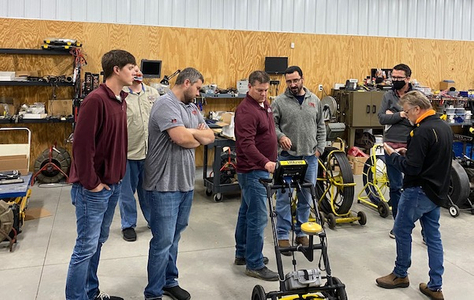
FREE On-Site Training
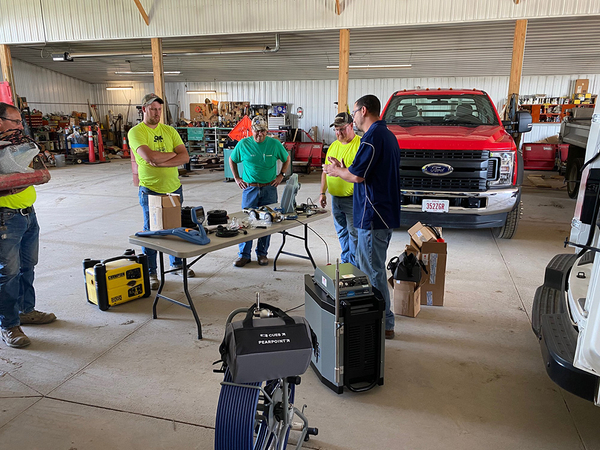
In addition to providing our customers with the best underground utility locator equipment for their needs, Locator Guys offers free, on-site training with every purchase. Our experienced team will not leave your work site or location until your technicians are fully trained and feel comfortable using the equipment. We will also provide your staff with additional, free, on-site training once a year to make sure you are completely satisfied with the utility locator equipment you have purchased.
In addition, we offer free on-site demonstrations of products as well as free customer support 24 hours a day, seven days a week, and free loaners when your equipment is being serviced. We offer our customers, customer service at its best.
Schedule A Free, On-Site Demo Click Here for Local Training Events
Radiodetection Utility Locators:
Radiodetection Utility Locators represent the industry standard for identifying and tracing buried infrastructure. These tools are engineered to handle the most demanding environments, ensuring that operators can locate utilities with high accuracy and speed to prevent costly damage.
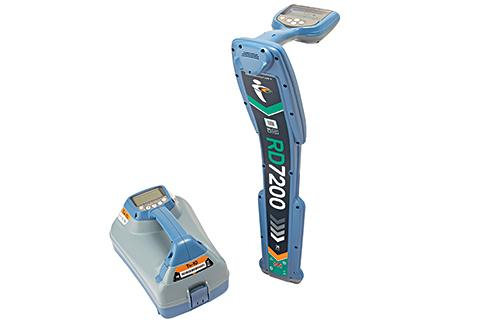
RD7200 Precision Locator
The RD7200 is a reliable, all-industry utility locator engineered for daily performance without compromise. Delivering accurate results across a wide range of field conditions, the RD7200 allows you to locate and mark underground utilities with speed, precision, and safety.
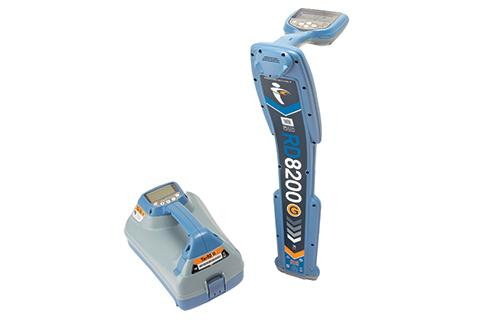
RD8200 Precision Locator
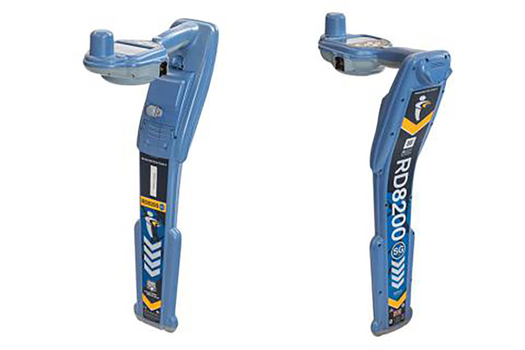
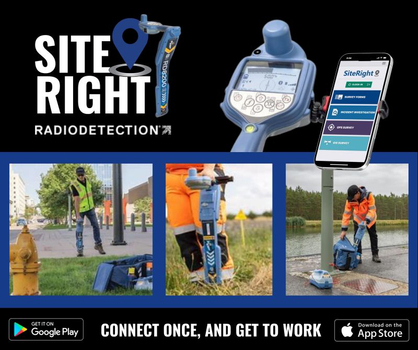
The RD8200 is Radiodetection’s most advanced utility locator, designed for high-precision locating in challenging environments. With built-in GPS, powerful filtering, and user-friendly guidance modes, it helps crews confidently locate underground utilities.
RD8200SG Precision Locator
Building on the robust foundation of the RD8200, this new model integrates state-of-the-art GPS and RTK technologies, elevating locating accuracy to unprecedented levels!
MRX RF Marker Locator
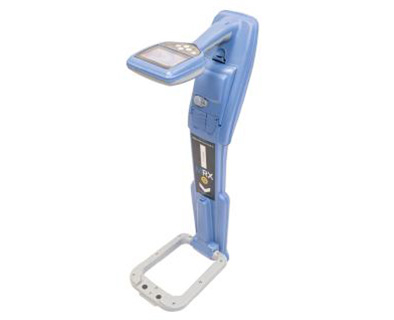
The Radiodetection MRX RF Marker Locator simplifies the job by combining standard utility detection with passive marker pinpointing. Designed for speed, accuracy, and ease-of-use, it’s ideal for crews working across mixed infrastructure environments.
MRX G RF Marker Locator
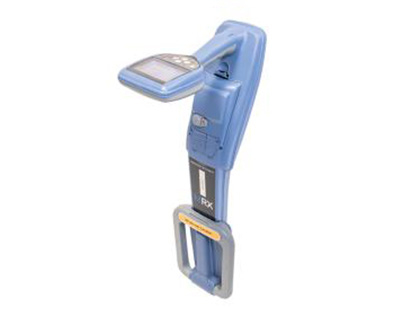
The MRX G RF adds GPS capability to the reliable MRX platform, giving field teams accurate mapping alongside standard marker locating. Perfect for utility professionals who need location certainty in congested areas without the extra bulk or complexity.
MRX SG Survey Grade Locator
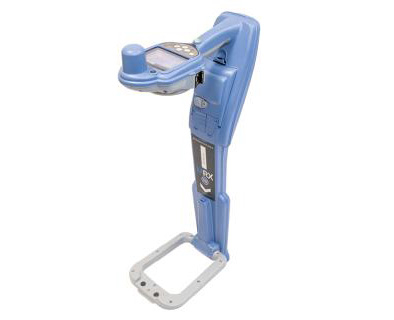
The MRX SG delivers survey-grade GNSS accuracy with intuitive utility locating. Engineered for high-performance infrastructure mapping, it’s trusted by engineers and survey crews looking to streamline field data collection with full confidence.
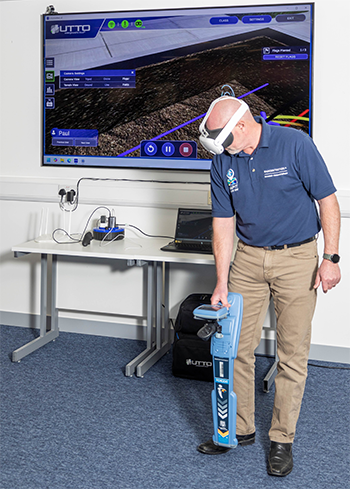
Utility Locator Training Simulator
Accelerate onboarding and improve field performance with hands-on simulation training designed to replicate real underground locating conditions.
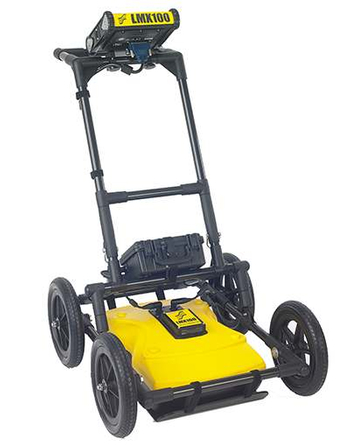
Sensors and Software LMX100™
The LMX100 is a trusted ground penetrating radar system designed to detect non-conductive utilities and subsurface features that traditional locators miss. Ideal for utility locating professionals, it delivers reliable data visualization and target confidence in a wide range of soil conditions.
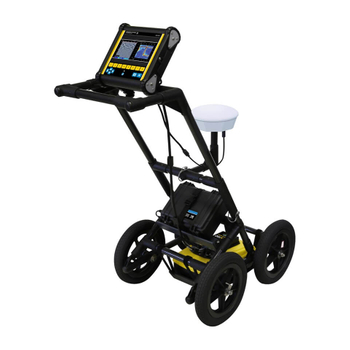
Sensors and Software LMX150™
The LMX150™ FINDAR provides locating and mapping capabilities to pinpoint the location of buried metallic and non-metallic utilities. This unit is also used in forensic cases allowing law enforcement to quickly and effectively search for evidence buried under the ground.
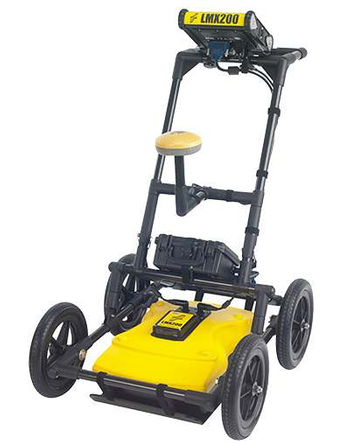
Sensors and Software LMX200™
The LMX200™ builds on the capabilities of the LMX100™ and adds advanced features such as grid-scan mode, external GPS integration, and real-time SplitView and MapView for precise locating and mapping of a broad range of underground utilities.

PCMx™ Pipeline Current Mapper System
The PCMx Pipeline Current Mapper System helps pipeline managers locate coating defects, measure current flow, and assess pipeline integrity without excavation. By identifying areas of potential corrosion, the system allows operators to prioritize preventative maintenance and reduce long-term risk.
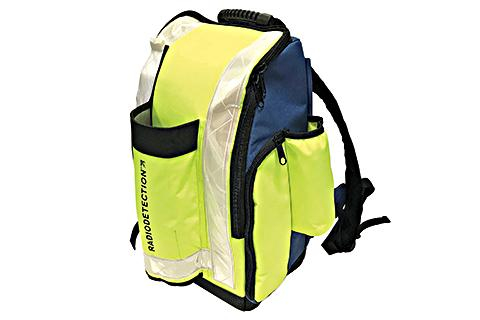
Backpack by Radiodetection
The Radiodetection Backpack is a convenient way to carry your precision underground cable and pipe locator system. Now available at Locator Guys for streamlined utility portability.
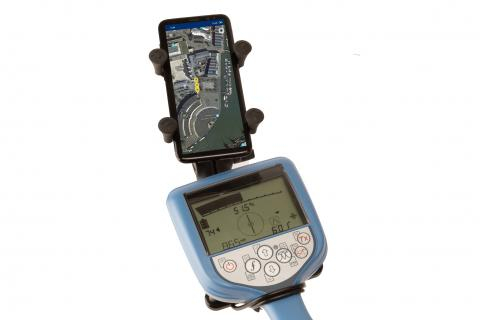
RD Map Precision Locator Range
RD Map™ is the free Map&Share™ Android app which supports Radiodetection’s Bluetooth Precision locators and allows locator technicians to create detailed maps of buried utilities and share them directly from the field*.
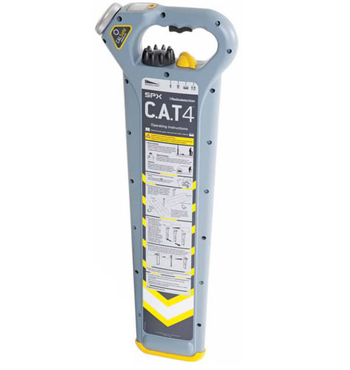
Radiodetection Cat 4
Helping professionals to drive best practices in underground utility locating, to reduce the number of cable strikes, and to dig more safely.

Rd312 Metal Detector
The RD312 metal detector allows operators to quickly locate lost, buried, or hidden metal access points such as manhole covers and valve boxes. Compact and easy to use, it is ideal for utility crews needing fast, accurate results in the field.
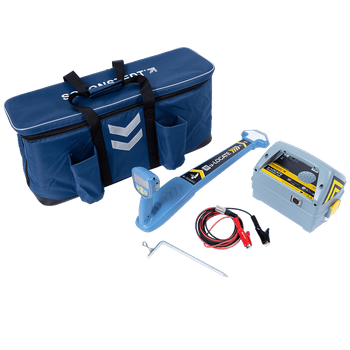
u-Locate Pipe & Cable Locator by Schonstedt
u-LOCATE allows users to quickly and accurately locate underground utilities, helping prevent costly damages, utility strikes, and service outages.
Utility Locator Accessories
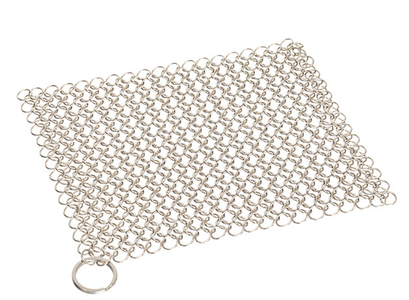
Radiodetection Earth Mat
Designed Primarily With Your Safety In Mind.
Introducing Radiodetection's Latest Accessory: The Earth Mat (10/TX-EARTHMAT)
The Earth Mat is the latest innovation in our accessory lineup, designed to enhance safety in locating buried utilities. By using the Earth Mat, you can detect buried utilities without the need to insert an Earth Stake into the soil. This stainless steel mesh mat (7" square) helps you scan without striking a utility underneath.
more
Marker Balls, The 2nd Generation OmniMarker Range
Radiodetection’s OM2 range builds on 2 decades of experience to offer smaller, lighter Marker Balls while still providing an environmentally-friendly method of marking and protecting all types of buried assets.
If you are looking for the best underground utility locator equipment, C&S Solutions can help you find it. Contact us to learn more about ground penetrating radar equipment prices, uses, and effectiveness for different applications.
After launching the RD7100 and RD8100 Marker Locator products in July 2019, we are proud to follow that up with the second generation OM2 Marker Ball range.
Plastic pipes and other non-conductive utilities can be very difficult to locate. Tracing metallic assets can also present challenges, especially in congested areas, but markers can help you resolve all these issues quickly and easily.
The second generation technology replaces the previous OM1 range, which is now no longer available. Marker Balls are not serviceable items, so future service for OM1’s is not applicable.
moreWhat Is a Utility Locator?
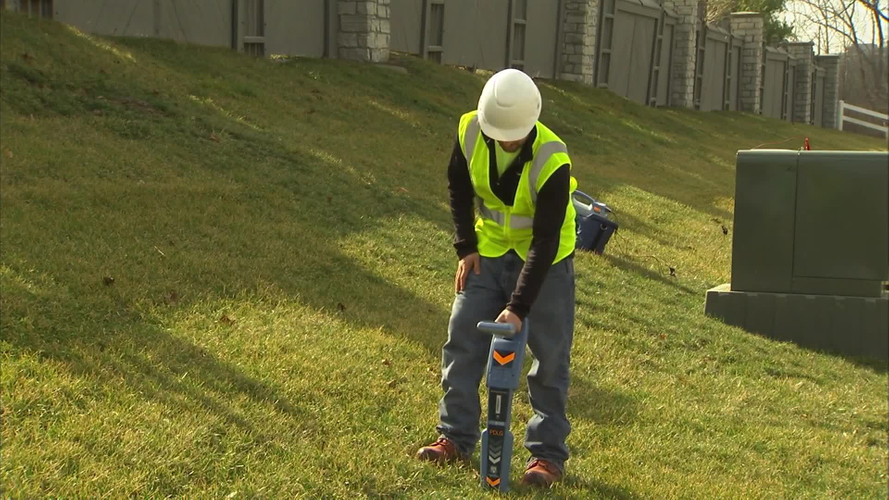
A utility locator is a device used to detect and trace underground utilities such as pipes, cables, and conduits. These systems typically work by transmitting a signal through a utility line and using a receiver to detect and trace that signal from above ground.
There are two primary detection methods:
Active locating – A transmitter applies a signal directly to a utility line, which is then traced by a receiver
Passive locating – The receiver detects existing electromagnetic signals already present on utilities (such as power lines)
Utility locators are used across industries to prevent accidental strikes, reduce downtime, and comply with damage prevention regulations.
How to Choose the Right Utility Locator
When evaluating utility locating equipment, professionals should consider:
Utility Type – Electric, gas, telecom, water, and non-metallic utilities each present unique locating challenges. Some applications require passive modes, others demand active multi-frequency tracing, sondes, or even GPR.
Frequency Range & Signal Power – Multi-frequency locators offer greater control in congested environments, while low-frequency capability and higher transmitter output are critical for long-distance or deep locates.
Job Environment – Urban work requires advanced filtering and interference rejection; rural projects prioritize signal range and penetration.
Accuracy vs. Budget – Entry-level tools may work for shallow, occasional locates, but professional-grade systems deliver the accuracy and reliability needed to prevent strikes, rework, and liability.
Types of Utility Locators
Understanding the different types of locators is critical when selecting the right equipment for your application. Each technology is designed to solve a specific detection challenge, and using the wrong type can lead to inaccurate readings, missed utilities, or costly field errors. In many real-world scenarios, professionals use a combination of locator types to ensure complete coverage across both metallic and non-metallic infrastructure.
Electromagnetic (EM) Pipe & Cable Locators
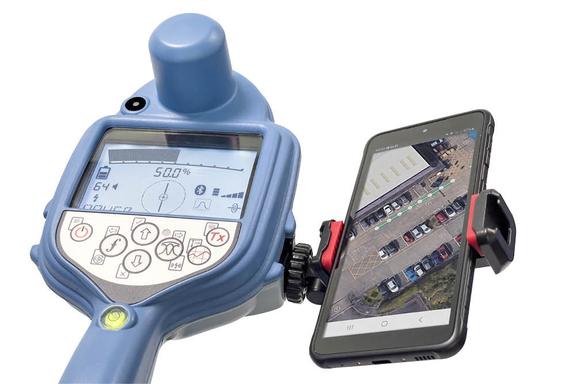
Advanced EM locators offer selectable frequency ranges, current measurement, and signal direction features that help reduce interference and improve tracing accuracy in congested underground environments. This is especially important in urban areas where multiple utilities run parallel or intersect.
Electromagnetic locators are the most widely used tools for locating conductive utilities, including:
Electrical cables
Copper communication lines
Metallic water and gas pipes
Tracer wires
These systems consist of a transmitter (Tx) and receiver (Rx). The transmitter applies a frequency to the utility, and the receiver detects that signal to trace the line’s path and depth.
Key Benefits:
High accuracy for metallic utilities
Multiple frequency options for different environments
Depth estimation capabilities
Best For: Contractors, utility companies, and technicians working with buried cables and metal pipelines.
Magnetic Locators (Ferrous Detection)
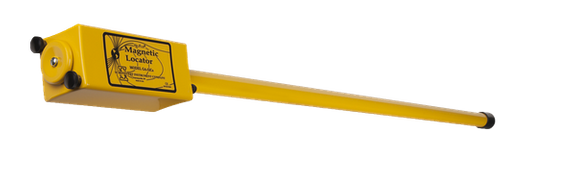
Magnetic locators are designed to detect ferrous (iron-based) objects underground. Unlike EM locators, they do not require a transmitter. Magnetic locators are often used as a complementary tool alongside EM systems. While they lack the ability to trace continuous lines, they excel at pinpointing discrete metal objects that may not carry a signal, making them invaluable for maintenance and asset recovery tasks.
Common applications include locating:
Valve boxes
Manhole covers
Survey markers
Rebar and iron pipes
Key Benefits:
Simple, fast operation
No signal connection required
Highly effective for pinpointing metal objects
Best For: Municipal crews, water departments, and surveyors.
Acoustic & PVC Pipe Locators (Non-Metallic Detection)
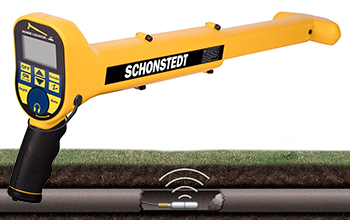
As infrastructure increasingly shifts toward plastic materials, acoustic locating technology is becoming a critical capability rather than a niche solution. These systems are particularly valuable in retrofit and repair scenarios where tracer wire was never installed or has degraded over time.
One of the biggest challenges in utility locating is detecting non-metallic pipes, such as:
PVC water lines
HDPE gas lines
Sewer laterals without tracer wire
Traditional EM locators cannot detect these materials directly. That’s where acoustic pipe locators come in.
These systems use sound waves or vibration to trace underground pipes, making them ideal for modern infrastructure where non-metallic materials are common.
Key Benefits:
Detects PVC and other non-conductive pipes
Works without tracer wire
Ideal for water and sewer systems
Best For: Plumbers, municipalities, and contractors dealing with plastic pipe systems.
Match the Locator to the Application — Not the Hype
There is no single “best” locator for every job. The right solution depends on how and where you work.
That’s why Locator Guys helps customers select equipment based on:
Typical utility depth
Site congestion and interference
Frequency requirements
Operator experience
Mapping or documentation needs
From private utility locating and municipal asset mapping to contractor excavation and pre-dig scans, we configure each system for real-world use — not factory defaults.
How to Choose the Right Utility Locator
Selecting the right locator depends on your specific job requirements. The wrong choice can lead to missed utilities, inaccurate depth readings, or inefficient workflows that slow down your crew. A well-matched locator, on the other hand, improves accuracy, reduces liability, and increases productivity across every jobsite.
Professionals should approach this decision by evaluating both technical requirements and real-world job conditions, rather than simply choosing based on price or brand.
| Use Case | Recommended Locator Type | Why It Works |
|---|---|---|
| Metal Pipes and Cables | Electromagnetic Locator | Conductive signal tracing |
| Valves, Lids, Rebar | Magnetic Locator | Detects ferrous materials |
| PVC / HDPE Pipes | Acoustic Locator | Works on non-metallic utilities |
| Mixed Utility Environments | Multi-frequency EM Locator | Versatile across conditions |
| Deep Utility Locating | Advanced EM or GPR | Better depth penetration |
Want To Know More?
Key Factors to Consider

1. Type of Utility
Metallic vs non-metallic is the most important factor. Conductive utilities require EM locating, while plastic pipes require acoustic or GPR solutions.

2. Frequency Range
Different frequencies perform better depending on soil conditions and utility type. Lower frequencies travel farther with less bleed-off, while higher frequencies are better for shorter, more precise locating.

3. Depth Requirements
Some locators are optimized for shallow service lines, while others can detect deeper infrastructure. Understanding your typical depth range is critical for selecting the right system.
4. Environment
Urban areas with signal congestion may require advanced filtering, higher-end receivers, and multiple frequency options to avoid interference from nearby utilities.

5. Budget & ROI
Higher-end systems offer more accuracy and versatility but come at a higher cost. However, investing in better equipment often reduces long-term costs associated with utility strikes, rework, and downtime.
Utility Locator Price Guide
Understanding pricing helps you choose the right system without overspending or under-specifying your equipment.
| Price Range | Equipment Type | What You Get |
|---|---|---|
| $500 – $2,000 | Magnetic Locators | Entry-level ferrous detection |
| $2,000 – $8,000 | Mid-Range EM Locators | Standard pipe and cable locating |
| $8,000 – $20,000+ | Advanced EM Systems | Multi-frequency, depth accuracy |
| $10,000 – $30,000+ | GPR / Advanced Systems | Non-metallic detection + imaging |
What Affects Price?
Frequency capabilities
Signal strength and range
Accuracy and depth measurement
Build quality and durability
Brand and technology type
Investing in the right locator reduces costly utility strikes, rework, and downtime—making it a critical tool for any professional operation.
Industries That Use Utility Locators
Utility locating equipment is used across a wide range of industries where underground infrastructure is present. As regulations around damage prevention continue to tighten, more organizations are investing in locating technology to ensure compliance and reduce risk.
Common Applications
Utility Contractors – Locating power, gas, and telecom lines
Municipal Water Departments – Finding valves, mains, and service lines
Plumbing & Septic Companies – Tracing sewer and water pipes
Telecom & Electrical Contractors – Cable installation and maintenance
Excavation & Directional Drilling – Damage prevention before digging
Beyond these core industries, utility locators are increasingly used by facility managers, environmental consultants, and private property owners who need accurate mapping of underground assets. This growing demand reflects the expanding complexity of underground infrastructure and the need for precise, reliable detection methods.
Why Buy Utility Locators from LocatorGuys?
Choosing the right equipment is only part of the equation. Working with a knowledgeable supplier ensures you get the right solution for your application.
What Sets LocatorGuys Apart:
Expert Guidance – Get help selecting the right locator for your job
Wide Product Selection – EM, magnetic, and acoustic systems available
Competitive Pricing – Professional-grade equipment at fair market value
Fast Shipping – Get your equipment when you need it
Industry Experience – Built for contractors and field professionals
If you're unsure which locator is right for your needs, our team can help you evaluate your options and recommend the best solution.
Locate Assurance: Precision You Can Measure
Radiodetection’s Locate Performance Management™ introduces Locate Assurance®, a next-generation tool designed to raise the standard of damage prevention through data intelligence and real-time feedback. Integrated with Radiodetection Precision Locators, it provides instant performance scoring for every locate, transforming field data into measurable, verifiable insights. With real-time alerts, site reports, and risk indicators, Locate Assurance helps technicians identify and correct errors on-site—reducing the likelihood of utility strikes and rework while ensuring each locate meets industry standards for safety and accuracy.
Smarter Mapping, Measurable Performance
Locate Assurance integrates seamlessly with high-accuracy GNSS devices and built-in correction systems to deliver pinpoint mapping accuracy, compatible with Esri® ArcGIS®. Field data—including locate paths, distances, and metrics—can be compared against actual walk distances and exported for performance evaluation. Managers gain visibility into locate quality, technician skill levels, and overall productivity through a centralized performance dashboard. The result: reliable locates, confident crews, and data-driven accountability that elevate every locate operation.
Best Utility Locating Equipment for Contractors in 2026
Choosing the best utility locating equipment isn’t about finding a single “top” locator — it’s about selecting the right technology for the utilities you locate, the environments you work in, and the level of accuracy your jobs demand.
At Locator Guys, we see contractors, municipalities, and private utility locators make costly purchasing mistakes by focusing on brand names, advertised depth ratings, or price alone. In reality, locating performance depends on multiple variables — including utility material, signal frequency, soil conditions, site congestion, and operator technique. Equipment that performs well in one application may be inefficient — or unreliable — in another.
That’s why we take an application-first approach to utility locating equipment.
Best Utility Locators of 2026: Top Tools for Underground Utility Detection
Choosing the best utility locator starts with understanding your job site needs. Whether you're a contractor, surveyor, or municipal crew, this guide breaks down the top-rated utility locating equipment with a clear focus on performance, depth accuracy, and durability.
Utility Locator Equipment Comparison
| Brand / Model | Frequency | Max Depth | GPS / RTK | Best For | Approx. Price |
|---|---|---|---|---|---|
| Radiodetection RD8200 | Multi | 18+ ft | Yes | Professional locating with mapping | $3,000 – $6,000+ |
| Pipehorn 800HL | Dual | 18 ft | No | Deep utility locating in tough terrain | $1,500 – $2,500 |
| Schonstedt REX / u-LOCATE | Multi | 18 ft | No | Lightweight and fast pinpoint locating | $2,000 – $4,000 |
| Leica DD120 | Single | 3 m | No | Simple, affordable utility detection | Starting at $1,400 |
| Vivax Metrotech | Multi | 16+ ft | Yes | Versatile locating on diverse sites | $3,000 – $5,000+ |
| Amprobe AT-3500 | Single | 16 ft | No | Energized cable detection with indicators | $4,500 – $7,000 |
How to Choose the Right Utility Locator
Whether you're comparing high-end options like the RD8200 or entry-level models like the Leica DD120, keep these key features in mind:
Technology
Electromagnetic locators are ideal for metallic lines. If you need to locate non-metallic utilities such as plastic or concrete pipes without tracer wire, use Ground Penetrating Radar (GPR).
Frequency Range
Multi-frequency models like Radiodetection and Schonstedt give you more control in variable soil and signal environments. This flexibility improves accuracy in busy areas.
Depth and Accuracy
Look for models that detect at least 16 feet deep. Radiodetection offers 18+ feet with GPS and RTK for precision mapping and documentation.
Durability
Choose equipment that is water and dust resistant. IP-rated devices hold up better under jobsite conditions. Radiodetection and Pipehorn are both proven in harsh environments.
Accessories and Support
Look for models backed by reliable support. Brands that offer training, rechargeable batteries, connection clamps, and service availability can save time and money.
Budget
Entry-level models can cost under $500. Most professional-grade locators fall in the $2,000 to $7,000 range depending on features and included accessories.
Additional Recommended Models
Radiodetection sets the standard for performance in underground utility locating. However, depending on your specific needs, there are other reliable models worth considering:
-
Pipehorn 800HL - Ideal for deep, metallic utility detection and rugged field work.
-
Schonstedt REX / u-LOCATE - Lightweight and quick to operate, perfect for sweeping large areas.
-
Vivax Metrotech - Offers a strong mix of durability and versatility for multi-utility work.
-
Leica DD120 - Reliable and budget-friendly, best for contractors handling general site work.
-
Amprobe AT-3500 - Designed for detecting energized or de-energized lines with visual and audible indicators.
Budget-friendly options for shallow or light-duty locating include:
-
Vevor 3' Cable Locator
-
Tempo 501
-
Noyafa NF-826

What Contractors Must Evaluate Before Buying a Utility Locator
Choosing the right utility locator is not about selecting a brand. It’s about selecting a tool that performs reliably in the exact conditions you encounter on your job sites. For contractors, municipalities, and utility crews, a locator is a risk-reduction device as much as it is a detection tool.
Below are the five critical factors experienced professionals evaluate before investing in a pipe and cable locator.
Detection Capability by Utility Type
Not all utility locators are designed to detect the same materials, and this is where many purchasing decisions go wrong.
Standard electromagnetic (EM) locators perform exceptionally well when tracing metallic utilities, such as copper, steel, and tracer wires. However, many contractors today are working in environments where non-metallic utilities like PVC, HDPE, and clay sewer lines are increasingly common.
To effectively locate across these different materials, contractors must understand the limitations of traditional EM locating and when additional technologies are required. The right system is often not a single tool, but a combination of technologies designed to handle real-world jobsite variability.
Key capabilities to look for include:
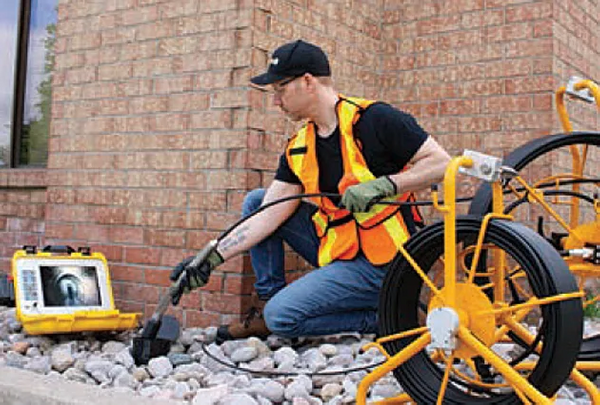
Sonde-based locating paired with inspection cameras
Acoustic-based detection technologies for pressurized lines
Ground penetrating radar (GPR) for non-conductive infrastructure
For contractors working in mixed-material environments, selecting a locator that can adapt to multiple detection methods is essential to avoiding missed locates and costly excavation errors.
Frequency Range & Signal Control
Frequency is one of the most important and most misunderstood variables in utility locating.
Lower frequencies are ideal for long-distance tracing and minimizing signal bleed onto adjacent utilities. Higher frequencies are easier to apply and more effective on poor conductors, but can create distortion in congested areas.
Because no single frequency works in every scenario, experienced contractors rely on locators that allow them to adjust and fine-tune signal behavior based on site conditions. This flexibility becomes especially important when working around multiple buried utilities or in electrically noisy environments.
Professional-grade locators should offer:
Multiple selectable frequencies
Precision control for different soil and utility conditions
The ability to adjust signal behavior based on the job site
In dense underground environments, such as urban or industrial sites, signal control becomes the difference between accurate line identification and dangerous mislocates.
Depth Accuracy & Line Verification
Depth readings alone are not enough. Experienced contractors look for tools that help confirm they are tracing the correct utility, not just any utility.
In real-world conditions, interference, signal bleed, and adjacent utilities can all affect readings. Without proper verification tools, operators may unknowingly mark the wrong line, creating significant risk during excavation.
To reduce this risk, advanced locators provide additional layers of confirmation that go beyond simple depth estimation.
Important verification features include:
Consistent and stable depth estimation
Current measurement (mA) to verify the signal path
Feedback that confirms proper signal application
Without current measurement, operators may unknowingly follow adjacent lines, leading to inaccurate markings and increased excavation risk. For high-liability projects, verification features are not optional; they are critical.
Transmitter Power & Signal Application
The transmitter plays a central role in locating performance, yet it is often overlooked during the buying process.
A locator system is only as effective as the signal being applied. Weak, inconsistent, or improperly applied signals can lead to poor tracing results, even when using a high-end receiver.
Because of this, contractors should evaluate not just the locator itself, but the full transmitter system and how it performs across different applications and environments.
High-quality systems should offer:
Sufficient output power for long-distance tracing
Multiple signal application methods:
Direct connect for maximum accuracy
Clamp methods for speed and safety
Induction for rapid deployment in limited-access scenarios
Advanced transmitters also include features like automatic impedance matching and dynamic power adjustment, ensuring the signal remains strong and stable across varying conditions.
In many cases, locating failures are not caused by the receiver, but by insufficient or improperly applied transmitter signals.
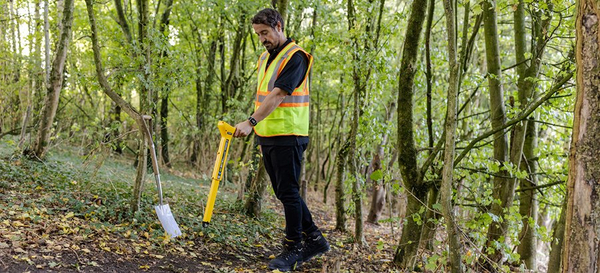
Jobsite Durability, Usability & Return on Investment
Utility locators operate in demanding environments. Durability and usability directly impact productivity and long-term cost.
Contractors are not using these tools in controlled settings. They are working in mud, rain, heat, cold, and high-pressure job site conditions. Equipment that fails or slows down operations quickly becomes a liability.
Beyond physical durability, usability plays a major role in how efficiently crews can complete locates throughout the day. Small improvements in ergonomics and visibility can translate into significant time savings across multiple jobs.
Key factors to evaluate include:
Build quality and resistance to water, dust, and impact
Battery performance for full-day operation
Display visibility in bright outdoor conditions
Ergonomics for extended use
Ultimately, the true value of a locator is measured in job site efficiency and risk reduction.
The right equipment allows contractors to:
Complete locates faster
Reduce rework and callbacks
Take on more complex and higher-value projects
Minimize the risk of utility strikes
When evaluated correctly, a utility locator is not just a purchase; it is an investment in operational capability and safety.

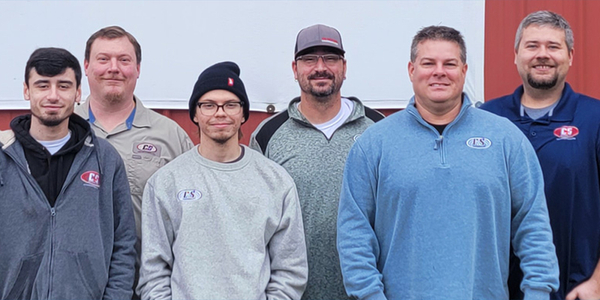
Shop the Radiodetection RD8200 and other top utility locators at Locator Guys
Browse inventory, compare models, and get expert advice on the best equipment for your next project, with free on-site training available for Radiodetection Precision Locators and Ground Penetrating Radars.
Discontinued Products
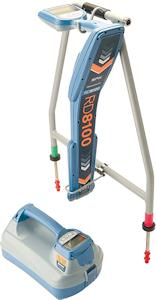
RD8100 Precision Locator
This is a discontinued product. Check out the new NEW RD8200
----------------------------------
Engineered to deliver high precision for damage prevention when locating buried cables and pipes.
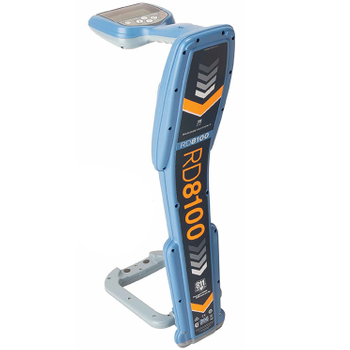
Radiodetection RD8100, our most advanced precision line locator range equipment for sale, is built on this pedigree for performance, quality and durability. Containing a unique arrangement of 5 antennas, it allows you to choose the optimum level of precision for the job in hand. Integrated GPS and usage-logging options automatically generate data for customer reports, or in-house quality and safety audits to promote best working practices and locate utilities underground.
more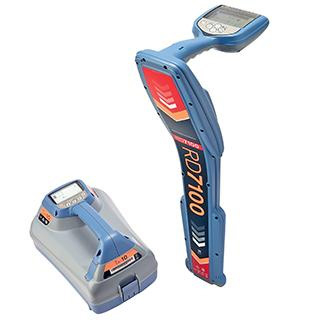
RD7100 Precision Locator
This is a discontinued product. Check out the new NEW RD7200
----------------------------------
Accurately locating and marking buried assets ensures minimum downtime during repair or maintenance activities.
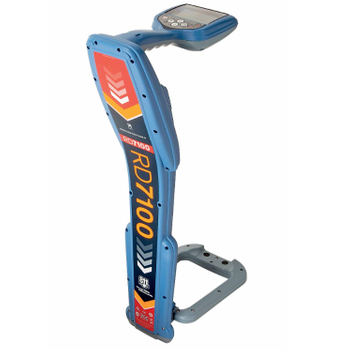
The RD7100 Precision Locator range locate and protect underground assets underground line detector, our industry-specific locator range, is built on this pedigree for performance, quality and durability. Containing our most advanced locating technologies each model is optimized for the challenges of locating a particular utility. Integrated GPS and usage logging options automatically generate data for work reports, or in-house quality and safety audits, to promote best working practices.
more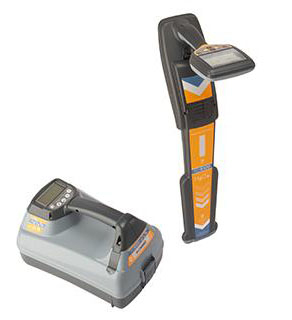
RD5100™ Precision Locator
This is a discontinued product. Check out the new NEW RD7200
----------------------------------
Tracing buried pipes and cables made easier.
The Radiodetection RD5100 Series has been designed to specifically addressing the concerns and challenges of users such as those in the Water and Gas Industries locating buried pipes and cables. Ease of use is at the heart of the products, coupled with the accuracy, repeatability and reliability you have come to expect from Radiodetection’s locator products.
more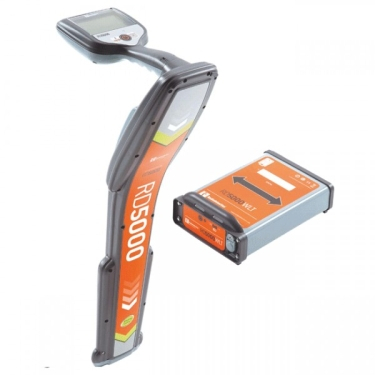
Radiodetection RD5000™WL
This is a discontinued product. Check out the new NEW RD7200
----------------------------------
Simplifies the task of locating specific pipes in large underground networks.
The RD5000WL has two operation modes:
Guidance Mode
Directs the operator to the target pipe or cable centerline using proportional directional arrows and differentiated audio tones. The target position indicator directs the operator to the target pipe or cable, the orientation of which is indicated by Compass.
Signal Strength Mode
Numerical indication, from 0 to 999, of the strength of the field given out by the target, helping the user to pinpoint its position amongst other conductors. Compass is also shown in this mode to indicate the relative orientation of the conductor.
moreFrequently Asked Questions
What is the most accurate utility locator?
The most accurate locator depends on the application. For metallic utilities, high-end electromagnetic locators with multiple frequencies provide excellent accuracy. For non-metallic pipes, acoustic or GPR systems are required.
Can utility locators detect PVC pipes?
Standard electromagnetic locators cannot detect PVC or other non-metallic pipes unless a tracer wire is present. Acoustic locators or GPR systems are required for direct detection.
What is the difference between GPR and EM locators?
EM locators detect conductive utilities using electromagnetic signals, while ground penetrating radar (GPR) uses radar waves to image underground objects, including non-metallic utilities.
How deep can a utility locator detect?
Depth varies by equipment type and conditions. Most EM locators can detect utilities up to 10–20 feet deep, while GPR systems may detect deeper depending on soil conditions.
What frequency should I use when locating utilities?
Lower frequencies travel farther and are better for long-distance tracing, while higher frequencies are better for locating smaller or poorly conductive utilities.
Do I need a transmitter and receiver?
For electromagnetic locating, yes. The transmitter applies the signal, and the receiver detects it. Magnetic locators, however, do not require a transmitter.
What is the best locator for contractors?
Most contractors benefit from a mid- to high-range electromagnetic locator that offers multiple frequencies, depth measurement, and durability for field use.
Need Help Choosing the Right Utility Locator?
Selecting the right equipment can make a significant difference in accuracy, efficiency, and jobsite safety. If you're comparing options or need help identifying the best locator for your application, our team is here to help.
Testimonials
Just wanted to say thanks Steve for making the trip to Steubenville yesterday. Our guys said they have a much better feel for the locators and are much more confident using them.
Tom Hollingsworth, ArborMetrics Solutions,Inc.
Thank you very much Steve! I’m sure you will be needed again - your knowledge of the locating process was priceless. Your machine was great but knowledge is the greatest gift anyone can give. God bless you!
Warren Williams, Spectra Energy
Fastest turnaround in modern times.
Locator shipped off and back to work in three days?? Unheard of
Pat Morley, Enbridge
Trusted Manufacturers We Sell and Repair:







Not sure which locator is right for your work?
Talk to a utility locating equipment specialist.
We’ll review your applications, explain technology tradeoffs, and recommend the right system— with free on-site trainingand ongoing technical support included.
Request a demo | Get a quote | Compare options